
OCTOBER 2024 — FEBRUARY 2025
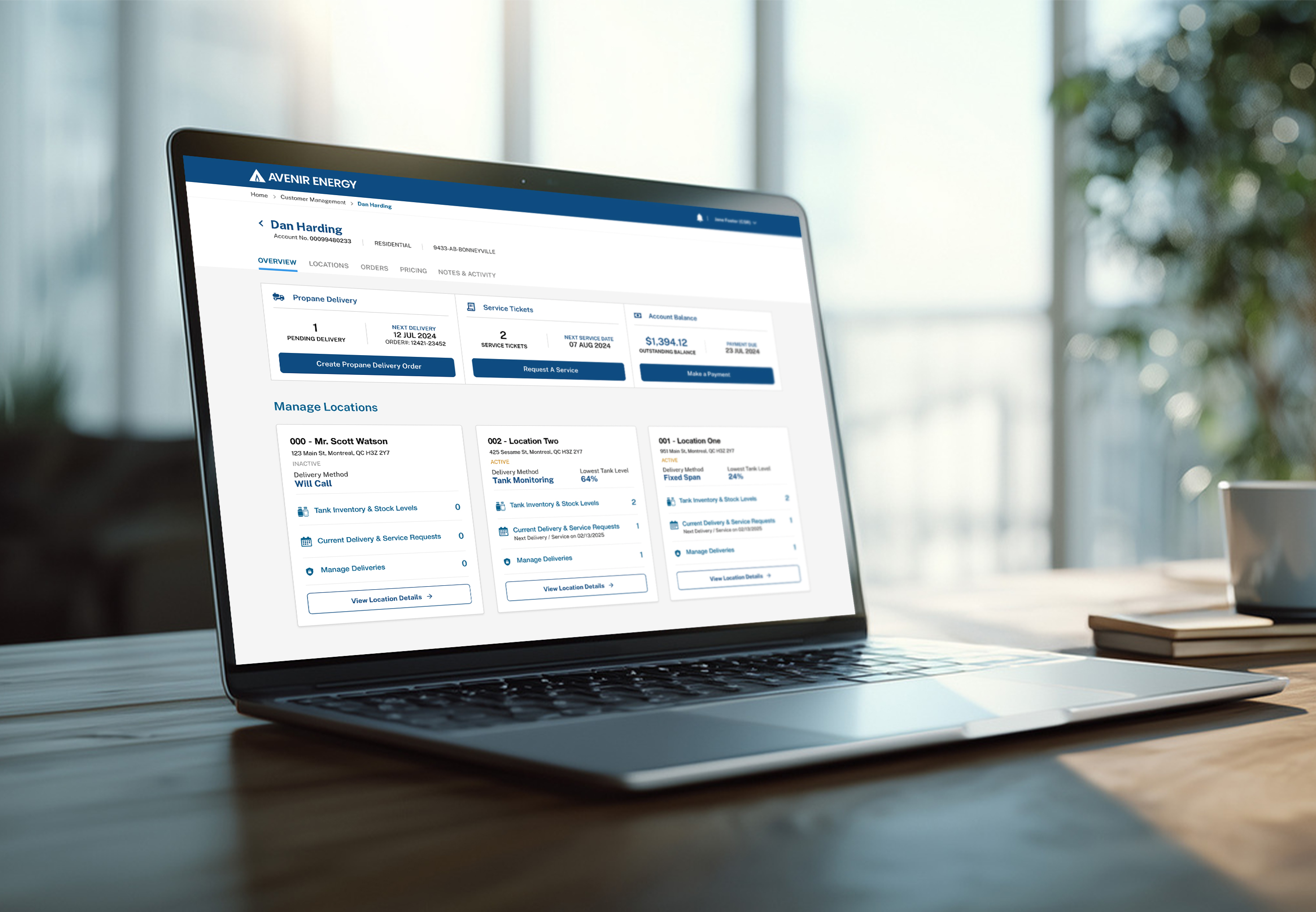
Modernizing Avenir's operations portal to support expansion
I owned the design and research process, defining the workflows and how different teams came together across the system.
This project took 5 months.
Reps couldn't reliably find what they needed during high pressure moments. Critical information was buried or missing entirely.
13+
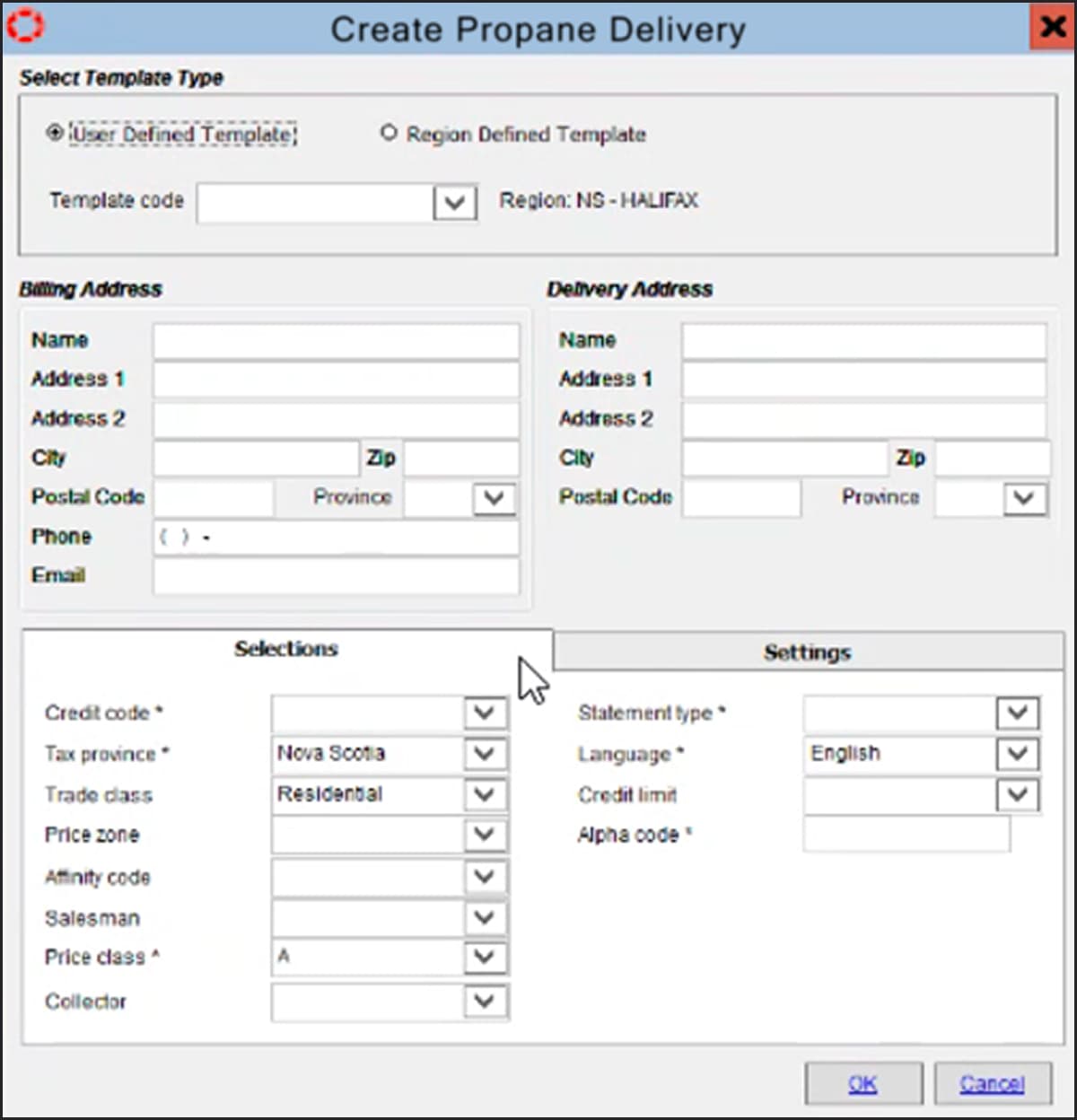
clicks to initiate a delivery
41%
of calls involved switching platforms
At its core, the system needed to do one thing well: surface the right information, instantly.
The existing workflow was technically complete, but extremely tedious to navigate in practice.
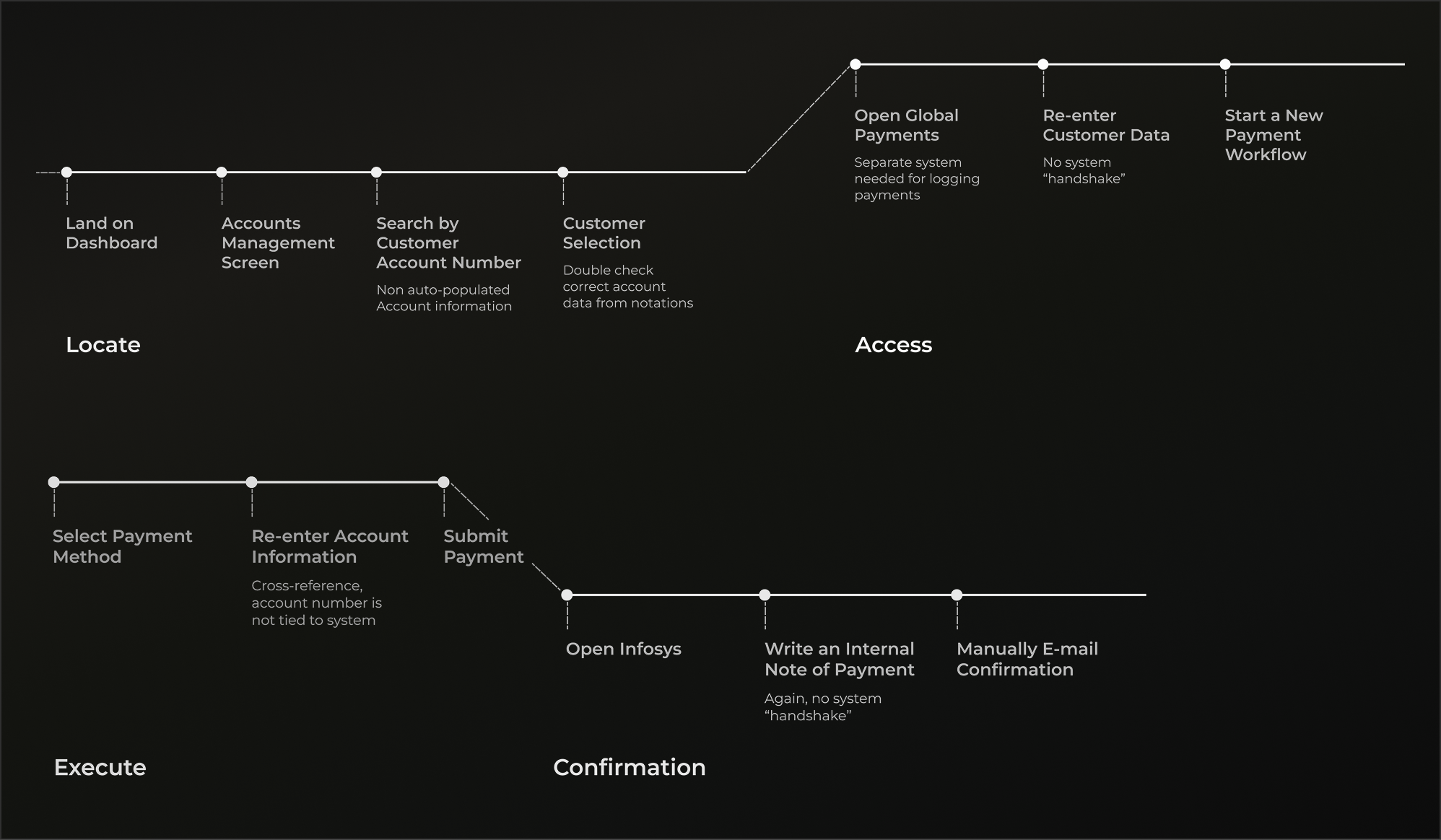
Before: 13 steps across disconnected systems.
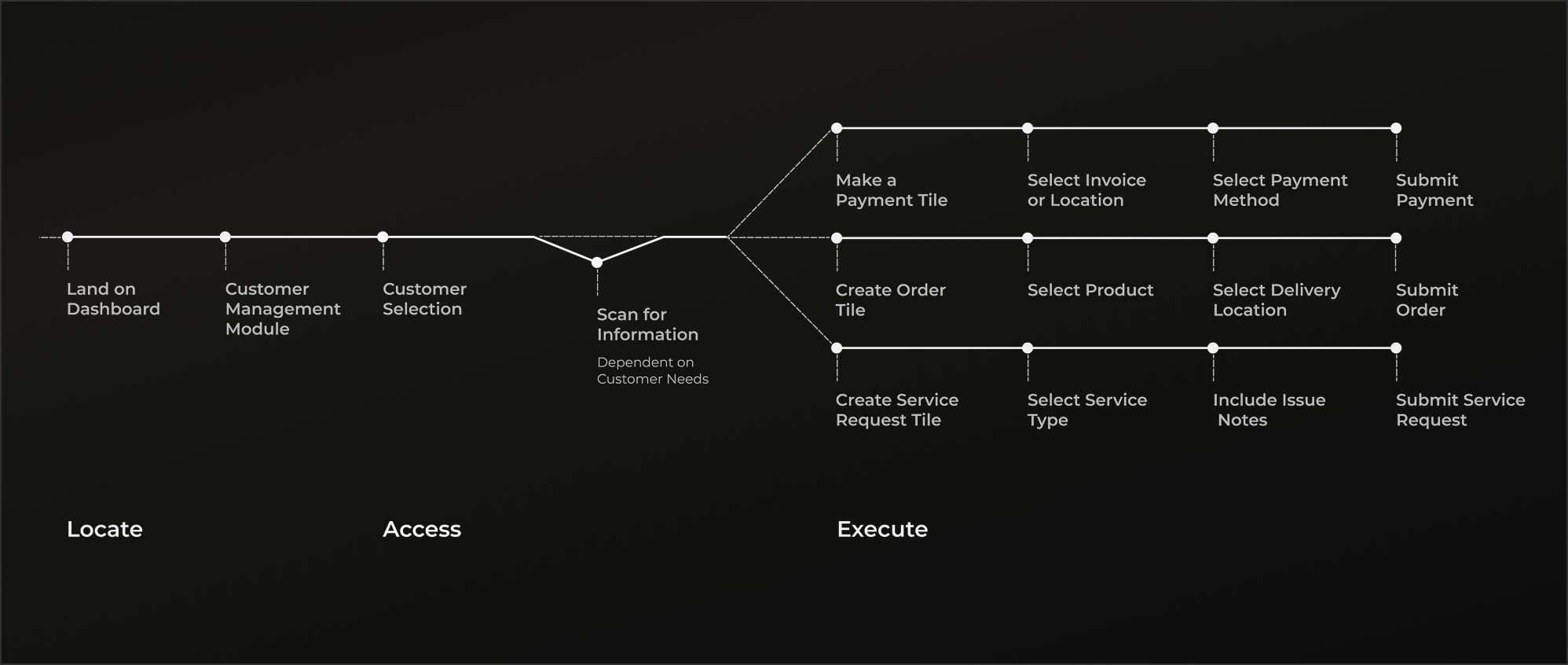
After: distinct paths aligned to task type: payment, order, service.
SUCCESS DEFINED BY
01
Faster resolution times
would reduce the time spent navigating between tasks.
02
Simpler task flows
would shorten the number of steps needed to complete common tasks.
03
Clearer next actions
measures whether primary actions are visible and easy to commit to.
DESIGN CHALLENGE — 1 OF 3
Through our initial designs, critical info still wasn't being surfaced early enough.
INSIGHT
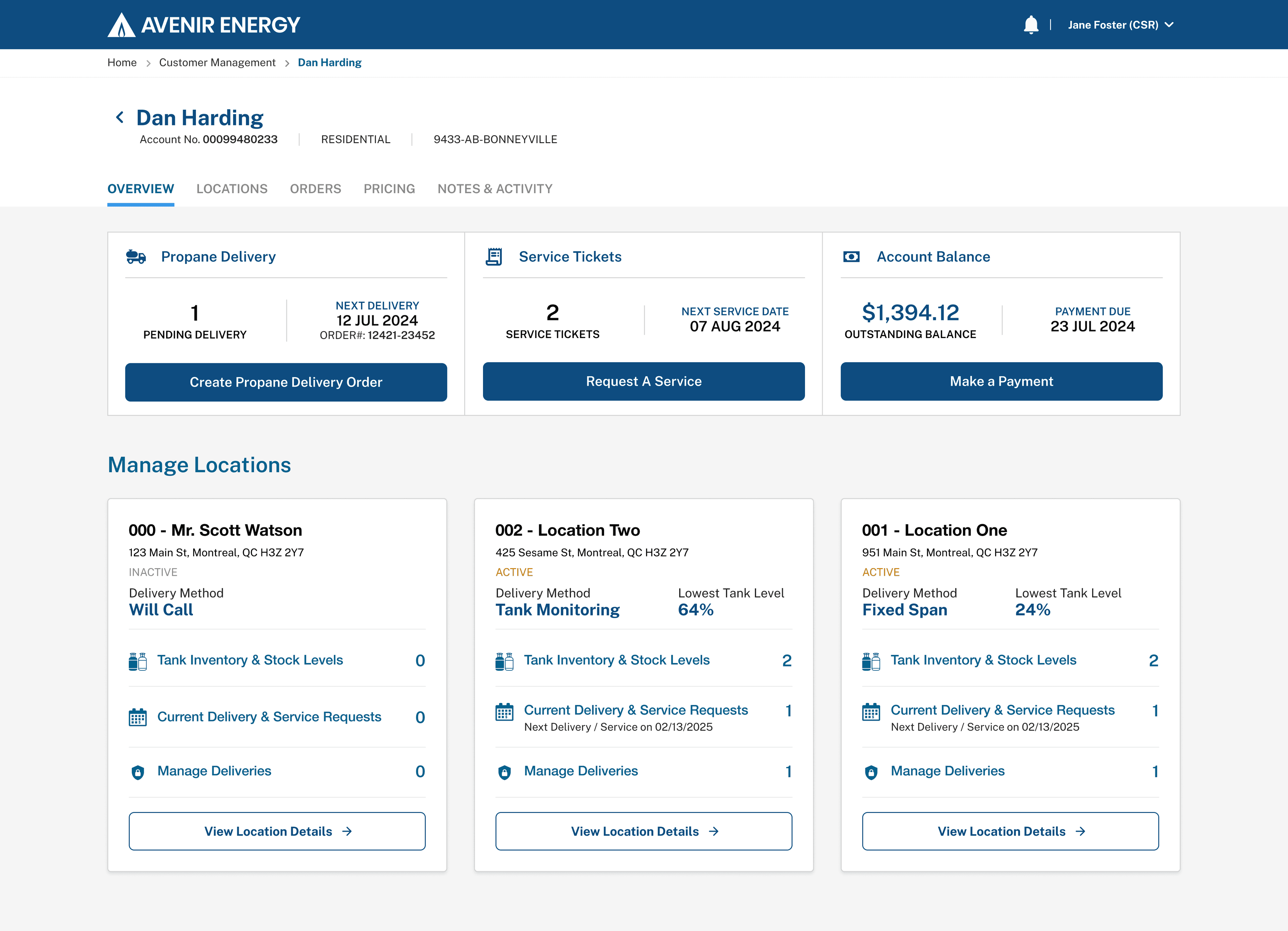
Reps were unable to find tank level percentages until 3 clicks in.
“Where are the tank levels? That's one of the most important things I'm looking for right away.”
— Propane delivery rep, research interview
SOLUTION
Tank levels were made visible immediately, without the need for navigation.
ASSUMPTION — 2 OF 3
We assumed deliveries could follow the same structure as service requests.
INSIGHT
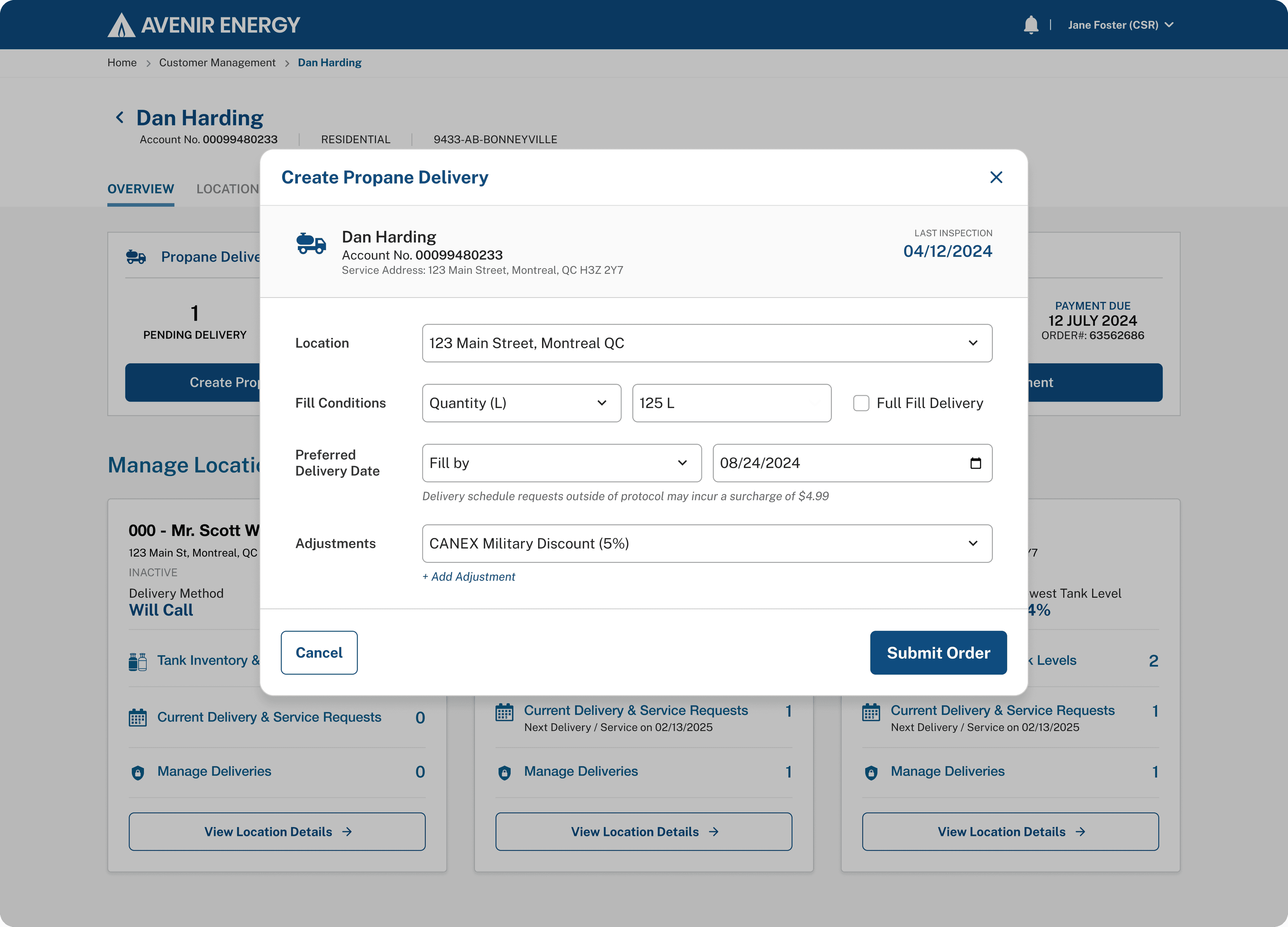
Deliveries required a different structure, and reusing the same pattern led to gaps and inconsistencies.
“These aren't the same situation, so why are we asking for the same information?”
— Propane delivery rep, research interview
ITERATION
Delivery became its own flow, built around how it actually works in practice.
OPERATIONS CHALLENGE — 3 OF 3
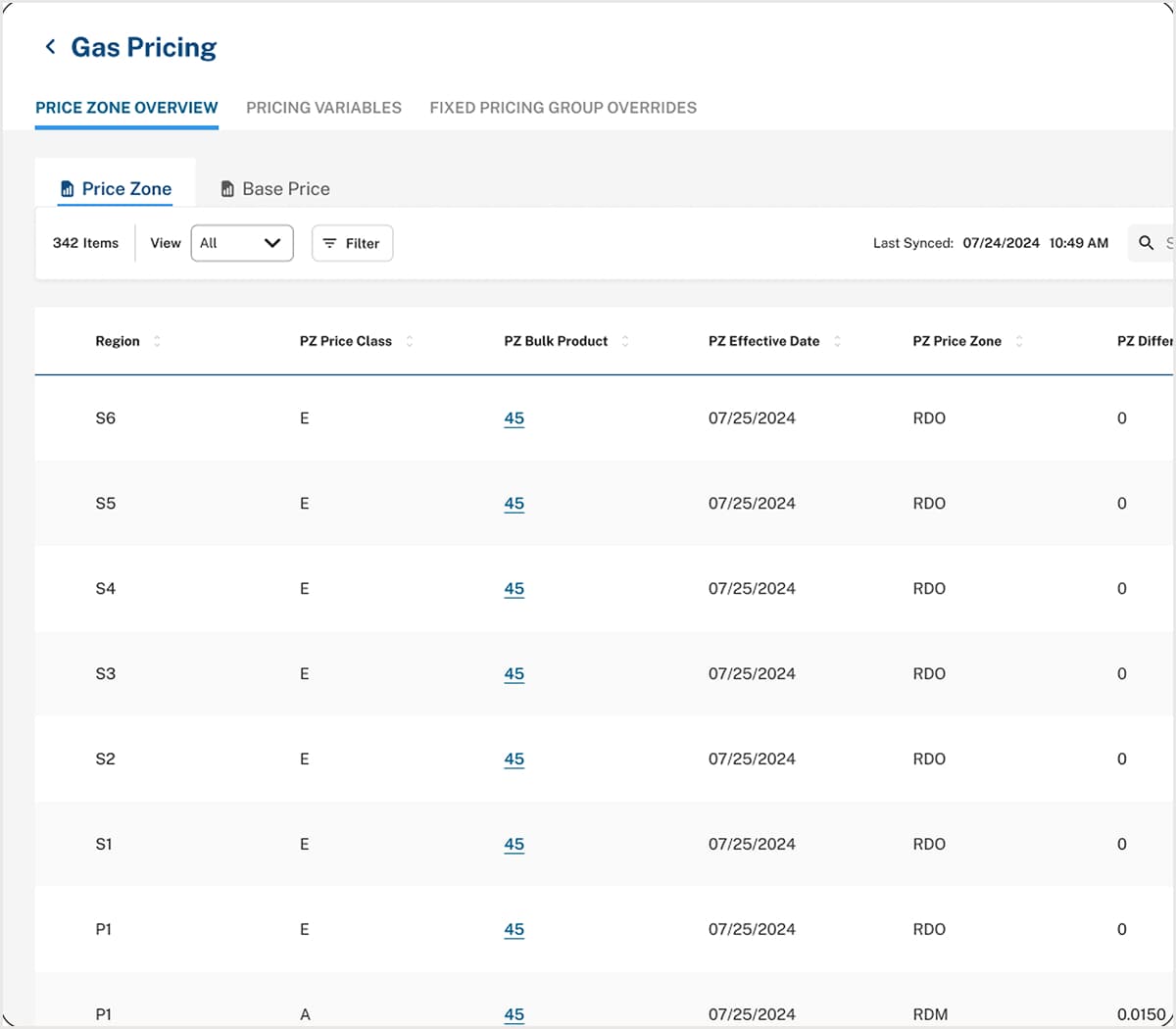
Integration data relied on manual uploads, so information was often delayed or out of date.
QUESTION
How do we handle situations where the system can't guarantee accurate data?
“If gas pricing isn't updated, we could end up charging customers less than what we're paying.”
— Internal design review, week 4
SOLUTION
We added real-time syncing where possible, and made it clear how up to date the information was.
HANDOFF
Access rules affected more than visibility.
I translated role differences into a buildable permission model, defining what each CSR role could view, edit, create, approve, or restrict across customer records, orders, and account workflows. Instead of handing off static screens, I documented the interaction logic behind each permission state so engineering could implement the rules consistently across the product.
RESULTS FROM THE FIRST YEAR.
01
2.5 million liters
moved within the first year without a single runout
02
38% reduction in rep response times
from 3:40 to 2:10
03
Took only 4 clicks
to complete key actions like logging a payment or scheduling a delivery
04
No platform switching
across all core tasks
CHALLENGES ENCOUNTERED
Designing without a clear blueprint
Balancing modularity with usability
Letting go of ideas that didn't scale
LEARNINGS
Involve frontline users earlier
Every click has a cost
Handoff is part of the craft